

According to the National Child Traumatic Stress Initiative, about two-thirds of children experience at least one traumatic event by the age of sixteen. Trauma is one or more events or situations that feel physically or emotionally harmful or threatening. Common causes of trauma include child abuse (physical, emotional, sexual), grief, being a witness or victim of violence, neglect, war/terrorism, medical trauma, mental illness, bullying in school, or separation from loved ones. Trauma-Informed Mentoring understands and considers the nature of trauma and promotes environments of healing and recovery rather than practices that may inadvertently re-traumatize.
Trauma can cause youth to have intense physical and psychological stress responses. The impact of trauma can have significant effects on the developing brain, such as, the Prefrontal Cortex (PFC) which helps us to process thoughts; the Anterior Cingulate Cortex (ACC) which helps us to regulate our emotions; and the Amygdala which helps us to regulate fear. Youth suffering from trauma effects can have long-term impacts:
- Affects the perception of reality
- Wires brain to expect danger
- Takes away a sense of safety
- Triggers flight, fright, or freeze response
- Creates a sense of helplessness
- Creates relationship problems
- Results in serious behavior problems
There is evidence that suggests strong mentoring relationships can help youth to recover and thrive after experiencing trauma. Mentors can help youth build resilience through the following strategies:
Comfort – Be patient and calm. When children are not under stress, try practicing activities that can help them cope when they do feel stress.
Listen – Be open to their ideas and opinions. Ask open-ended questions that require more than a yes or no answer. Ask clarifying questions if you’re unsure of what they meant.
Inspire – Ask them who their role models are and what they like about them. Help them focus on what qualities they admire in other people.
Collaborate – Engage them with a step-by-step problem-solving process until you reach a solution.
Celebrate – Encourage trial and error problem-solving skills to teach them how to persevere. Celebrate the process and the effort even when things don’t go as planned.
Below are some additional recourses for mentors to learn more about trauma-informed mentoring:
Mnetorvt.org | Bigmentoring.org | SAMHSA.gov | Mentoring.org







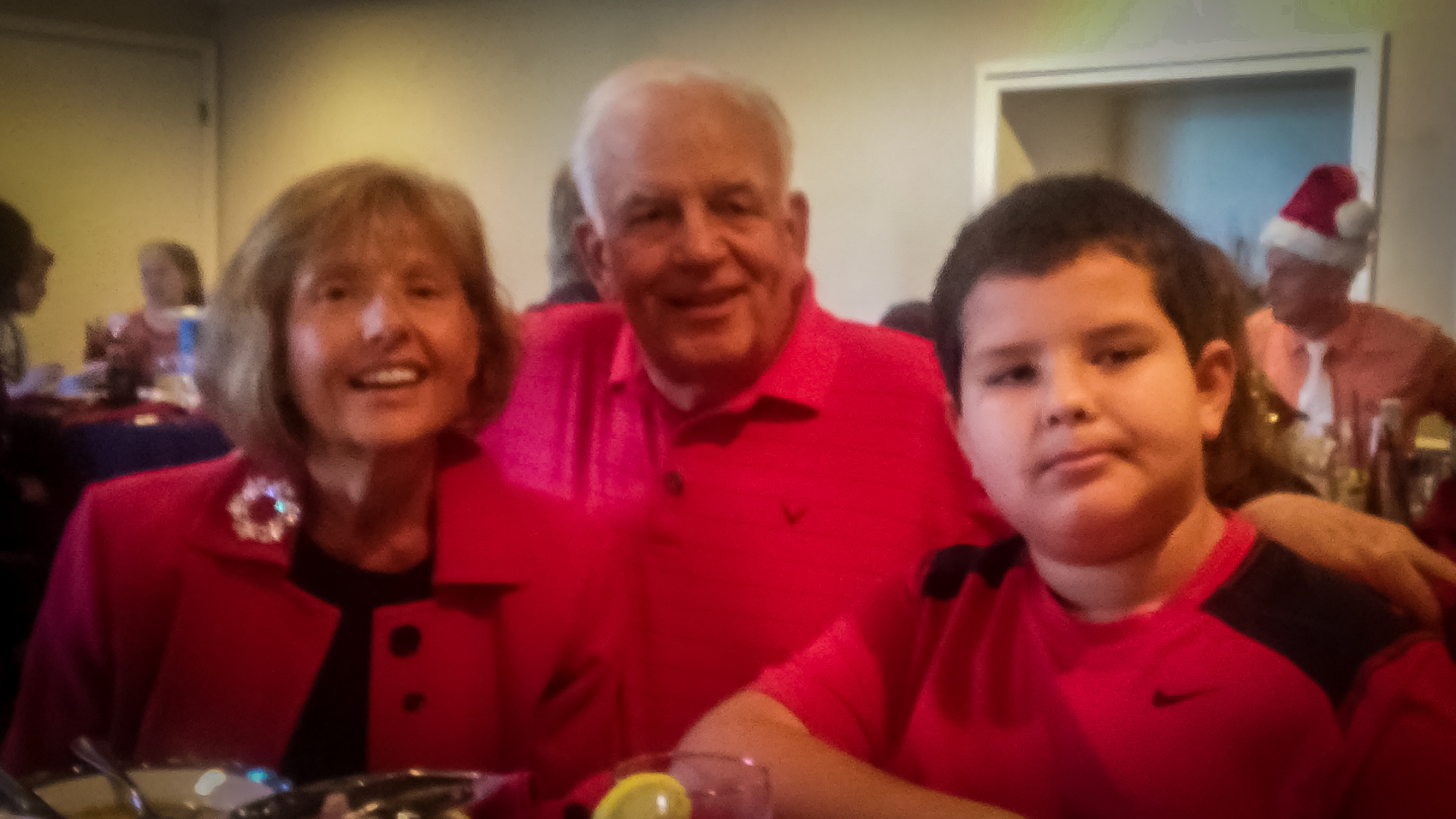
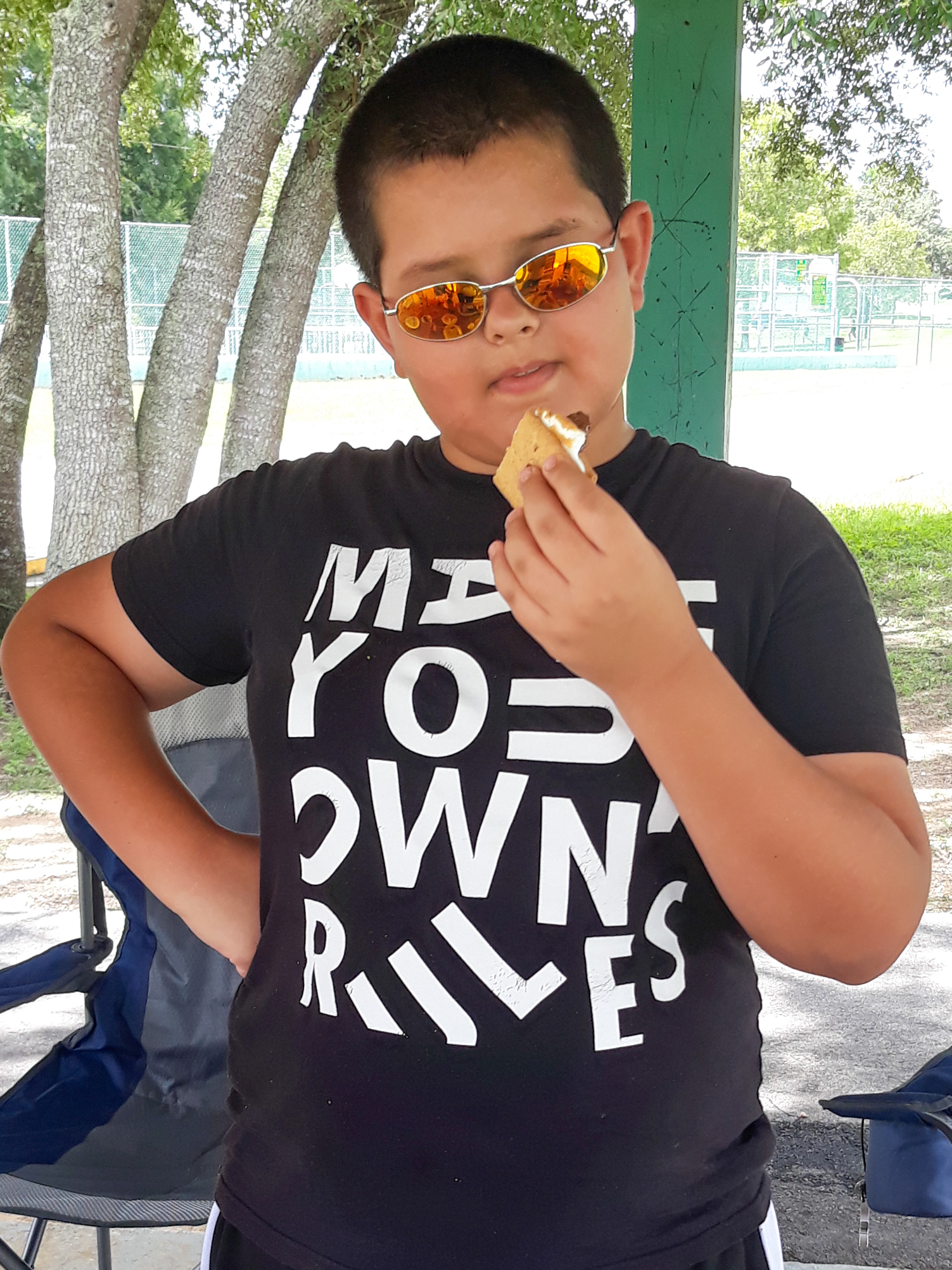 At the match introduction meeting, Braden quickly pointed out, “you guys are so old!” Susan & Charlie handled Braden’s comment so well that his grandmother Patrice was open to the match. Now, Braden has been matched with his Big Couple in the Big Brothers Big Sisters program for over two years!
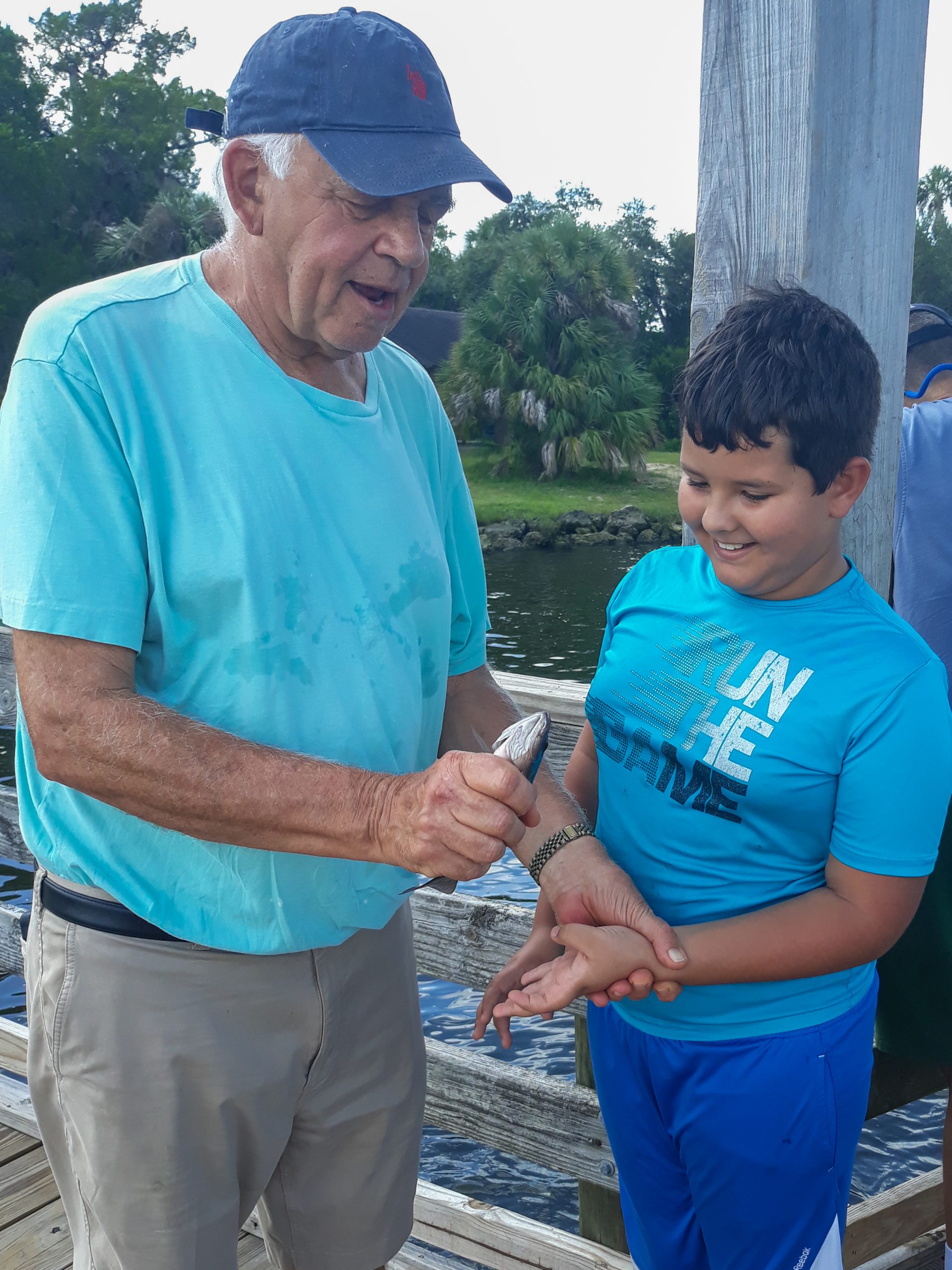 Susan & Charlie are quite active; Braden often struggles to keep up with them! Before the pandemic, they would go fishing and hiking. They’ve enjoyed new experiences like escape rooms or visiting patients in a nursing home. They are often seen at Big Brothers Big Sisters events. Plus, Susan & Charlie never miss an awards ceremony at Branden’s school and are always there to cheer him on!